Why ADHD in Women Often Goes Undiagnosed (And What You Can Do About It)
By: Sasha Joseph, MSN, APRN, PMHNP-BC - Psychiatric Nurse Practitioner - https://herharmonymh.com/
Introduction
While ADHD is often associated with children and commonly diagnosed in childhood, it can persist well into adulthood. In many cases, people do not receive a diagnosis until they are teenagers or adults. For women, the experience of living with ADHD often looks different than the typical signs seen in boys and men. Instead of common hyperactivity symptoms, women may deal quietly with chronic disorganization, mental overwhelm, or a racing mind that never seems to settle. These patterns are often misunderstood or dismissed, leading many women to go undiagnosed for years.
At Her Harmony, we specialize in helping women understand and develop practical strategies to navigate them. We can help you identify, understand, and manage the ways ADHD may affect your daily life. Whatever it is, the way you tell your story online can make all the difference.
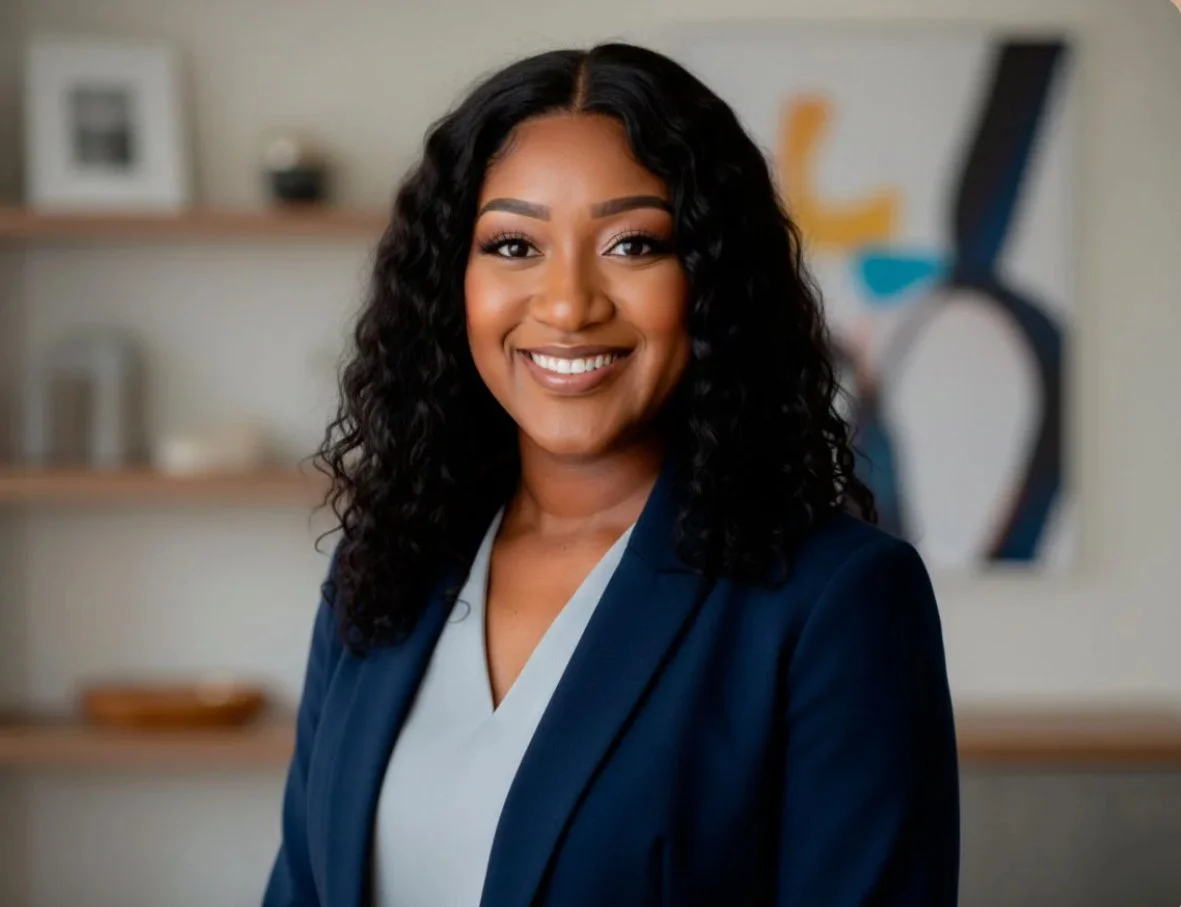
Sasha Joseph, MSN, APRN, PMHNP-BC
Her Harmony
How ADHD Shows Up in Women
Much of what people commonly associate with ADHD, such as fidgeting, disruptive behavior, or constant movement, comes from the hyperactive/impulsive subtype, which is most often diagnosed in boys. These outward behaviors tend to attract attention early, leading to more timely diagnoses.
In women, however, ADHD more often appears as the inattentive type. Their symptoms can seem more subtle, presenting as forgetfulness, mental distractibility, difficulty organizing tasks, and challenges with time management.
That said, this does not mean hyperactivity or impulsivity are not present in women; they are simply expressed in less recognizable ways. Some women may also experience hyperactive/impulsive symptoms, such as internal restlessness, racing thoughts, difficulty relaxing, or impulsive decisions.
These symptoms do not disrupt others and are less likely to raise concerns from teachers or family. They are often mistaken for personality flaws, anxiety, or simply a feeling of “being overwhelmed.” Over time, many women learn to compensate by working harder, masking their difficulties, or internalizing frustration as anxiety or low self-esteem. Without recognition or support, these patterns can quietly impact every area of life.
Getting Started with Sasha Joseph, MSN, APRN, PMHNP-BC - Psychiatric Nurse Practitioner
If you’re ready to feel more balanced, supported, and in control of your mental health, getting started with Sasha Joseph is simple. She offers comprehensive psychiatric services, including mental health evaluations, medication management, and personalized treatment for conditions such as anxiety, depression, adhd, and more. Most major insurances are accepted—including Aetna, Cigna, UnitedHealthcare, and Blue Cross Blue Shield—and affordable self-pay rates are available at $200 for the initial evaluation and $75 for follow-up visits.
Ready to better understand your mind and regain control of your daily life? Connect with Her Harmony today and start your journey toward clarity and balance. To learn more or request an appointment, visit www.herharmonymh.com, email sjoseph@herharmonymh.com, or call/text 929-514-0678 to begin your journey toward balanced, compassionate care.
Jessica Thomas, LMHC, LPC is a Haitian-American and licensed mental health therapist for New York, Florida, and Washington D,C. I specialize in working with adults striving to improve their mental health by breaking generational cycles of trauma, burnout, and self-neglect. Together we’ll work through learning to prioritize yourself, stop carrying it all, and step out of living in survival mode and into a life that feels yours. Visit www.mymindsetnyc.com to learn more and book a 20-minute consultation with her here.